

Why Throughput Suffers and How to Correct It
5-gallon bottling operations rely on consistent speed, sanitation, and efficiency. When any part of the process slows down, the entire line suffers. Many bottlers experience reduced output not because demand is low, but because hidden bottlenecks are limiting capacity.
Steelhead works with water bottling companies, dealerships, and water stores to identify and eliminate these bottlenecks using purpose-built, NSF-certified bottling systems.
The Most Common Bottlenecks in 5-Gallon Bottling Lines
1. Manual Bottle Handling
Older bottling systems often require operators to manually load and unload bottles at multiple stages. This creates delays, increases labor costs, and introduces inconsistency.
How to fix it:
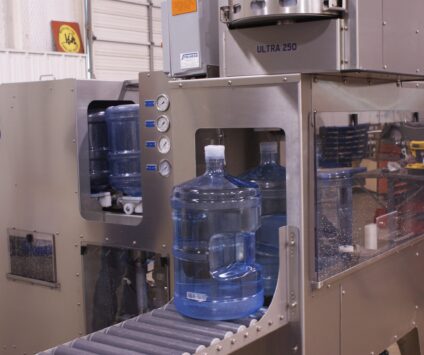
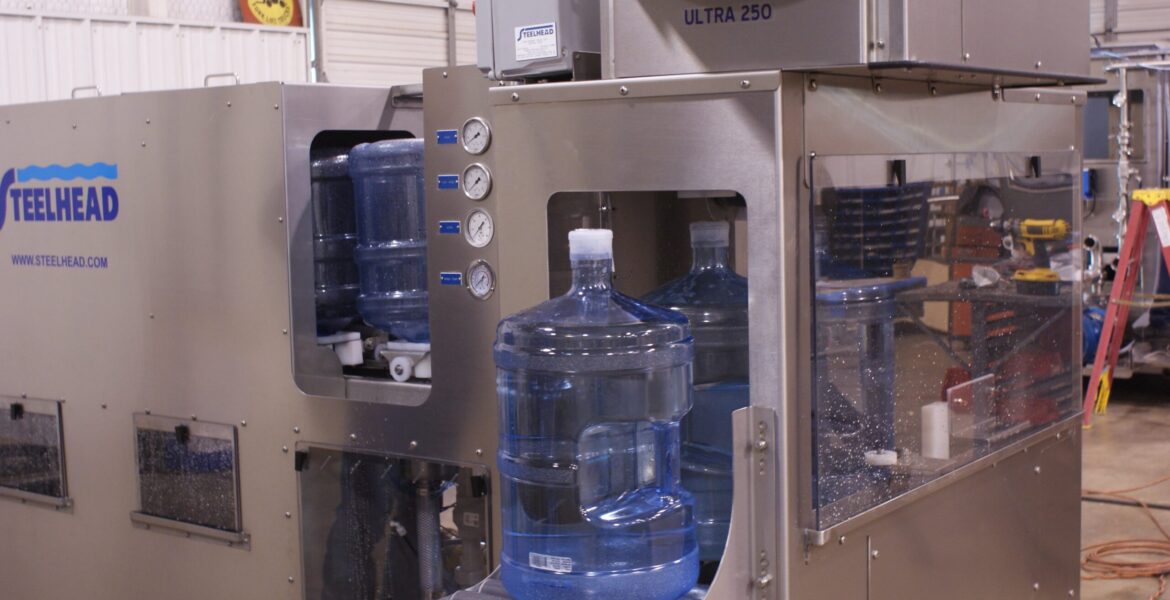
Upgrade to a single-operator bottling system. Steelhead’s Ultra Series is designed to wash, fill, and cap bottles with one operator per cycle, with optional automated loading to further reduce handling time.
2. Slow or Inconsistent Bottle Washing
Inefficient wash cycles can cause backups in the line and raise sanitation concerns, especially when wash times are inconsistent or operator-dependent.
How to fix it:
Modern bottling systems use automated, multi-stage wash cycles that include heated detergent, ozonated sanitizing rinse, and final freshwater rinse. This ensures consistent cleaning without slowing production.
3. Capping Delays and Errors
Missed caps, misaligned caps, or manual capping can quickly stall production and lead to product waste.
How to fix it:
Integrated cap sorters, overhead hoppers, and press-on cap applicators eliminate capping delays and maintain consistent throughput across the entire line.
4. Sanitation Downtime
Facilities without controlled fill environments often experience frequent shutdowns for cleaning or corrective sanitation.
How to fix it:
Bottling systems with pressurized fill rooms and hospital-grade air filtration reduce contamination risk and minimize unplanned downtime. Ozone sterilization further supports continuous operation.
5. Outdated Equipment Limiting Capacity
Legacy bottling machines often cap production well below current demand and are difficult to scale or maintain.
How to fix it:
Replacing outdated systems with modern, NSF-certified bottling equipment allows operators to increase capacity without increasing headcount. Steelhead systems are commonly used to replace older CapSnap, Norland, and similar machines.
The Steelhead Bottling System Solution
Steelhead, Inc. designs bottling systems specifically to remove bottlenecks at every stage of the 5-gallon bottling process. Key advantages include:
- Single-operator system design
- Production capacities from 150 to 2,000 bottles per hour
- Fully automated washing, filling, and capping
- NSF-certified sanitation and ozone integration
- Compact footprint for water stores and bottling plants
- Remote monitoring and system diagnostics
Each system is engineered to deliver consistent output while reducing labor dependency.
Built for Bottlers Focused on Growth
Steelhead systems are used by bottled water producers, and water stores that need to increase output without sacrificing sanitation or reliability. Whether you are adding capacity or replacing aging equipment, the right bottling system removes production constraints and supports long-term growth.
Fix Bottlenecks and Increase Output
If your bottling line is slowing down your operation, Steelhead, Inc. can help you identify the issue and implement a solution that delivers measurable results.
Call 866-303-3628 or visit steelheadinc.com to speak with a bottling system expert and take the next step toward higher throughput.